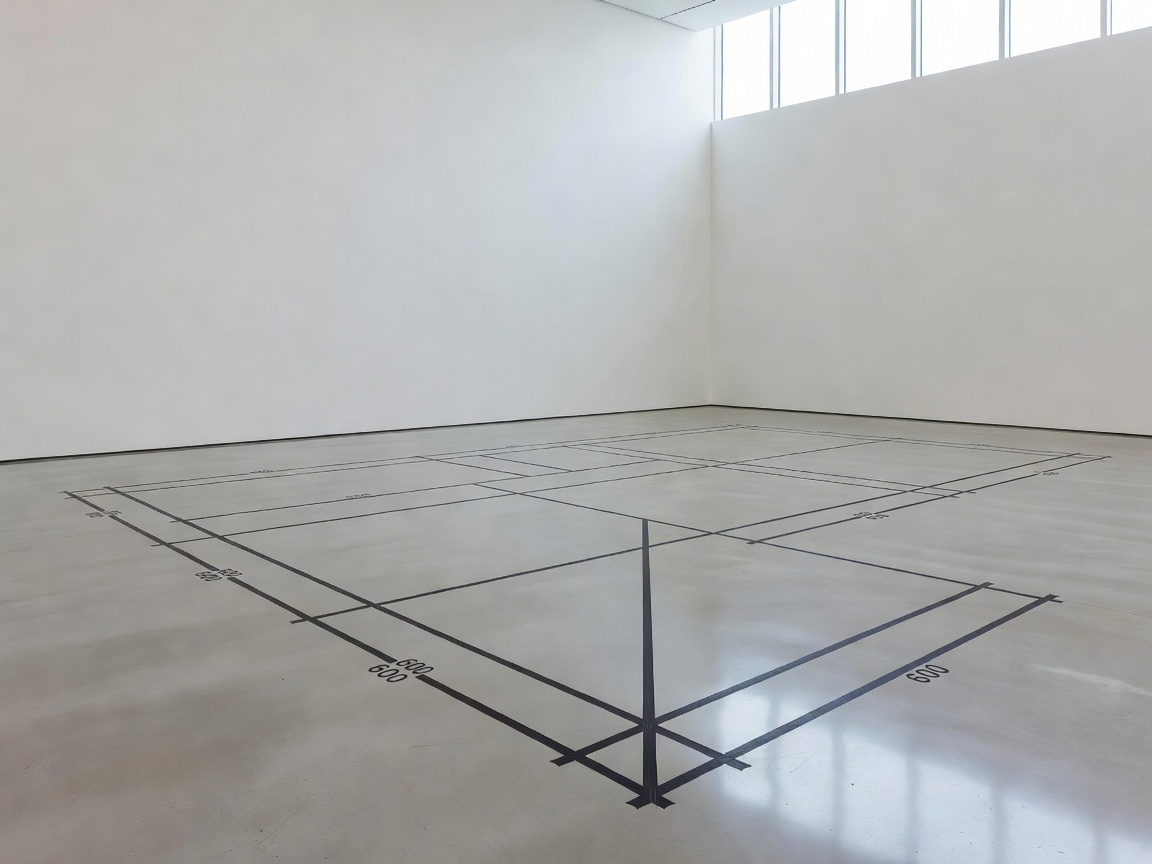
Arrival Preparation
The transport sequence does not end when the vehicle arrives. The destination site must be fully prepared before the crate is opened or the tail-lift is lowered. Hasty unloading in unprepared spaces introduces extreme risk to the artwork.
We coordinate with the receiving gallery, museum, or private estate to ensure the environment is ready. This includes floor protection, clearing the movement corridor of debris, and securing the perimeter if unloading occurs in a public space.
Unloading Coordination and Site Access
Unloading is a high-risk transition phase. Moving a heavy crate from a secure truck to a solid floor requires controlled momentum and verified equipment.
- Confirm the exact placement of the vehicle for optimal tail-lift operation.
- Verify ground stability and incline before lowering heavy crates.
- Implement protection over fragile thresholds, steps, or historic flooring.
- Coordinate the sequence of movement from the exterior loading zone to the interior staging area.
Placement Planning and Final Movement
Once inside, the sculpture is moved to its installation point or a secure holding area. Final placement requires micro-adjustments. The object is removed from its transit protection only when the environment is secure and clean.
We plan for the safe extraction of the sculpture from its crate. This involves identifying the primary lifting points, ensuring the ceiling height accommodates gantry use if required, and coordinating with installation technicians to align the piece onto its final plinth or armature.
Condition Checks and Handover Documentation
Immediate post-delivery condition checks are mandatory. Upon removal of the primary wrapping, the artwork is inspected against the origin condition report. Every surface is reviewed for transit anomalies.
- Conduct a thorough visual inspection under adequate lighting.
- Document the condition photographically.
- Cross-reference findings with the original assessment.
- Complete handover records and secure signatures from authorized recipients.
Note: Meticulous planning drastically mitigates risk, but we do not claim guaranteed outcomes for third-party operations or unverified environments.